Accessibility Statement for Furniture Disposal Services
Accessible Furniture Disposal Information
Furniture Waste Accessibility and Usability
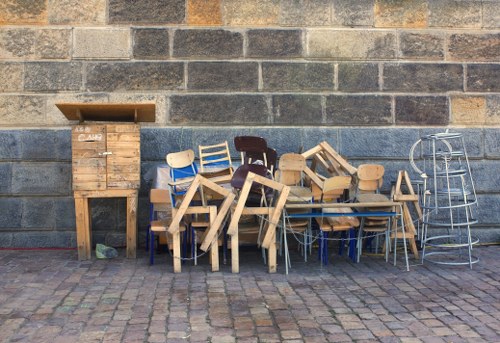 This Accessibility Statement explains how our furniture disposal and furniture removal services aim to meet inclusive design standards across the accessible furniture disposal area. We recognise that people have different accessibility needs when arranging furniture collection, furniture recycling, or general disposing furniture activities. This statement outlines technical commitments, assistive technology support, and the steps we take to improve the accessibility of our furniture disposal services.
We strive to meet WCAG 2.1 AA compliance as a baseline for web content related to furniture disposal services and related online processes. Our digital content is reviewed against the WCAG 2.1 AA success criteria to reduce barriers for users with low vision, mobility impairments, cognitive differences, and others. Key accessibility goals include clear content structure, meaningful link text, and sufficient colour contrast to support easy reading in the furniture collection and furniture waste removal context.
 Screen-reader support and keyboard navigation are core parts of our accessibility approach. Pages that explain how to schedule furniture removal or report bulky waste are coded with semantic headings, ARIA landmarks where needed, and skip links to help people using assistive technology. We test with popular screen readers to ensure announcements of lists, buttons, and form labels are accurate and helpful for anyone arranging a sofa pickup or mattress disposal.
Our interface for booking a furniture collection is built to allow full keyboard operation. Users can tab through form fields, activate controls with the keyboard, and use accessible focus indicators to see where they are on the page. We use logical tab order, visible focus styles, and input labels to make scheduling a furniture pick-up easier without a mouse.
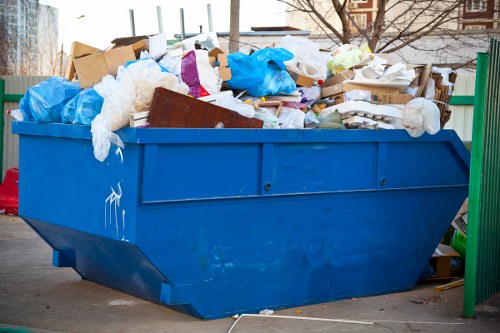 We conduct routine audits and user testing across multiple assistive technologies to increase the accessibility of our furniture recycling and furniture waste removal information. This includes automated scanning, manual reviews, and simulated keyboard-only navigation. Findings are prioritised and tracked so that improvements to the furniture disposal area are made on an ongoing basis.
Accessible content also includes alternative formats for key materials about furniture disposal services. Where detailed guides or complex forms are required, we offer clear summaries, plain-language explanations, and options for accessible download formats. Our policies for inclusive service delivery cover on-site collection, visual information, and text alternatives for images and diagrams used in the furniture removal process.
We publish a list of accessibility features for the furniture disposal area so customers know what to expect. Key features include:
- Accessible forms with labelled controls and error messages announced to screen readers;
- Keyboard-friendly booking workflows that do not rely on a mouse;
- High-contrast colour schemes and resizable text for improved readability;
- Clear navigation and consistent structure across furniture collection pages.
![A large pile of miscellaneous household items including clothes, shoes, and fabric materials in various colours and textures are stacked on top of each other and spilling onto the floor. Several plastic laundry baskets, some gray and one white, are tipped over and filled with additional clothing and textiles. The scene appears to be indoors, possibly in a storage area or a cluttered room, with no visible background features. The clutter includes folded and unfolded clothes, some in piles, and shoes placed randomly around the textiles. The overall impression is of a disorganized collection of household waste or items awaiting disposal, consistent with rubbish removal services provided by Furniture Disposal in the local area, possibly near [POSTCODE] or within [TOWN]. The lighting is natural, creating soft shadows across the scene, emphasizing the textures and variety of materials. This detailed description supports accessibility and conveys the scene's visual complexity for users seeking rubbish clearance solutions.](/pub/_photos/rubbish/f1375042880.jpg) If you encounter an accessibility barrier in the furniture disposal area, please report it using the accessibility request options available on this site. We welcome requests for accessible formats, step-by-step assistance for arranging a furniture pickup, or specific adjustments to our processes. Our accessibility team reviews requests promptly and aims to provide reasonable adjustments to support safe and efficient bulky item removal.
If you encounter an accessibility barrier in the furniture disposal area, please report it using the accessibility request options available on this site. We welcome requests for accessible formats, step-by-step assistance for arranging a furniture pickup, or specific adjustments to our processes. Our accessibility team reviews requests promptly and aims to provide reasonable adjustments to support safe and efficient bulky item removal.
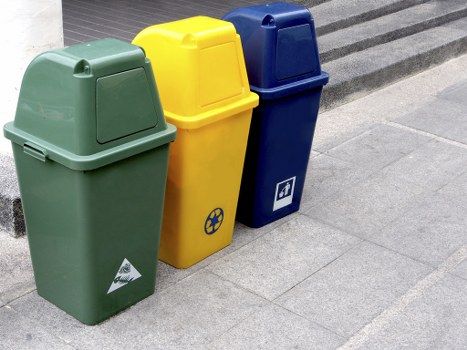 We are committed to continuous improvement. We monitor the effectiveness of our accessibility measures and update our approach as standards evolve and new technologies emerge. This statement is reviewed regularly to reflect changes in policy, technology, and user need. Thank you for taking time to read our accessibility statement for furniture disposal services; your input helps us make furniture removal, recycling, and disposal more inclusive for everyone.