Responsible Furniture Disposal and Sustainable Reuse
 Our furniture disposal program sets a clear, measurable path toward a low-waste future. We aim for an 80% recycling and reuse target by 2028, prioritising repair, refurbishment and donation ahead of landfill. This commitment to sustainable furniture recycling and furniture waste removal is backed by operational changes, partnerships and better sorting across boroughs.
To reach this 80% goal we focus on reuse first: diverting high-quality items for direct redistribution, then recycling core materials ??? wood, metal, foam and textiles ??? and finally recovering energy where recycling is not possible. Furniture reuse and refurbishment reduce embodied carbon significantly versus disposal and replacement, and are central to our approach.
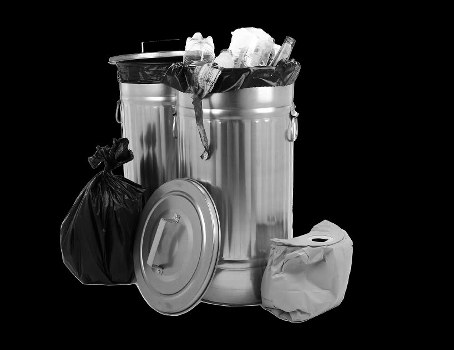 We coordinate with local transfer stations and depots to ensure bulky items are handled correctly. Items collected through household bulky waste services or commercial office furniture disposal pickups are transported to designated transfer stations such as the Northside Transfer Station, Riverside Bulk Depot and the Borough Transfer Yard where sorting for reuse and recycling takes place. Each transfer station follows strict material streams for timber, textiles, foam, metal fittings and glass to maximise recovery.
Local sorting, borough policies and targeted recycling activity
Different boroughs operate complementary approaches to waste separation, from kerbside collections that accept large item pick-ups to dedicated bulky waste routes. In many boroughs, residents are encouraged to separate mattress and upholstery for specialist mattress recycling, while wooden furniture is segregated for reprocessing. Our teams work with council waste officers to match our collections to local recycling rules, ensuring that returned or dismantled items enter the correct material streams for processing.
![A blue waste collection bin with a recycling symbol on its side, mounted on wheels, is situated outdoors on a paved surface, likely a street or driveway. The bin is filled with a variety of discarded items, including black rubbish bags, a rolled-up black rubber mat, a green plastic container, a white object, and other miscellaneous household waste. The background is blurred, indicating motion, and shows a concrete or stone wall with indistinct urban surroundings. Two individuals, dressed in blue shirts and dark trousers, are actively pushing the bin from opposite sides, suggesting a coordinated effort in rubbish collection or disposal. The scene reflects a professional waste management activity, typical of services offered by companies like Furniture Disposal, specializing in rubbish removal and recycling efforts within the local area. The environment hints at a typical urban or suburban setting, possibly within or near a town center or residential surroundings, consistent with services in the region that could include [POSTCODE]. The lighting appears natural, with clear visibility of the items and personnel involved.](/pub/_photos/rubbish/f1390657536.jpg) We support local initiatives like community repair cafes and reuse shops where sofas, wardrobes and small cabinets can be mended and resold. For materials that cannot be reused, we sort and send components to accredited recyclers who handle mattress recycling, foam reclamation, metal recovery and pallet-grade wood processing. This reduces contamination and improves overall recovery rates for the area.
We support local initiatives like community repair cafes and reuse shops where sofas, wardrobes and small cabinets can be mended and resold. For materials that cannot be reused, we sort and send components to accredited recyclers who handle mattress recycling, foam reclamation, metal recovery and pallet-grade wood processing. This reduces contamination and improves overall recovery rates for the area.
Operationally, our approach includes targeted audits at transfer stations and scheduled reviews of borough collection plans so our furniture recycling methods align with municipal targets. We document material flows???tracking everything from mattress collection to wood chipping???so we can report on progress toward the recycling percentage target and improve processes continuously.
Partnerships with charities and reuse networks
Strong partnerships are essential for achieving high reuse rates. We work with a range of local and national charities and social enterprises to ensure usable furniture reaches people and organisations in need. Partners include charitable furniture banks, community housing projects and trusted reuse charities that specialise in redistributing household and office furniture. Items suitable for direct reuse are assessed, repaired if necessary, and then rehomed, supporting circular economy goals and social value outcomes.
We maintain agreements that prioritise donations and long-term redistribution over disposal. For items beyond repair, our charity networks often accept components for creative upcycling programs. Collaboration with charities also extends to training and employment: refurbishment projects create jobs and skill-building opportunities within the local circular economy.
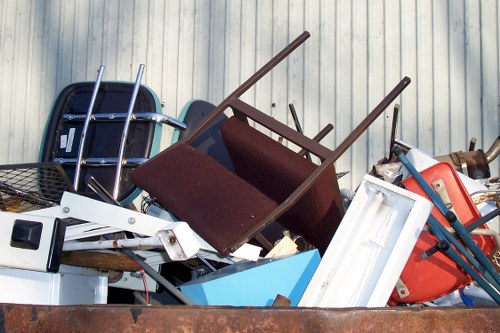 Our collection fleet has been upgraded to low-emission vehicles to lower the carbon footprint of furniture pick-ups. We operate a mix of fully electric vans, plug-in hybrid carriers and low-emission LPG models for routes that require extended range. These low-carbon vans are deployed strategically: shorter inner-borough pickups use electric vans while longer inter-depot runs use hybrids to balance emissions reduction with operational needs.
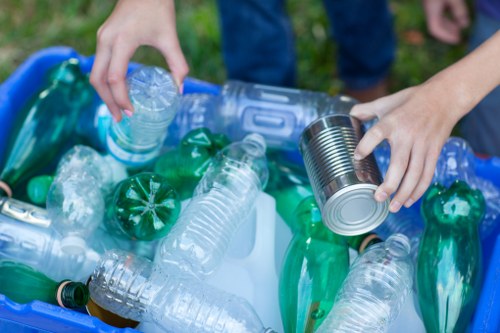 Route optimisation software, driver training and load consolidation further reduce fuel consumption and mileage. Together with regular fleet maintenance and a scheduled rollout of additional electric vehicles, these measures help ensure that furniture removal and sustainable disposal deliver the lowest possible lifecycle emissions.
Key activities and commitments:
- 80% recycling and reuse target by 2028 across furniture disposal and furniture recycling streams
- Use of designated local transfer stations for correct sorting and processing
- Active partnerships with charities and reuse networks to prioritise donation and refurbishment
- Deployment of low-carbon vans and route optimisation for reduced emissions
- Alignment with borough waste separation policies, including specialist mattress and textile recycling
Our sustainable furniture disposal strategy balances environmental outcomes with social value. By combining targeted recycling activities, transparent data tracking, charity partnerships and a greener fleet, we are building a robust circular pathway for furniture ??? from collection to reuse to material recovery. This holistic approach reduces landfill, supports local communities and helps meet borough-level sustainability goals while moving steadily toward our recycling percentage target.