Furniture Disposal in London

Furniture disposal in London should be straightforward, tidy and handled with care for both the property and the items being removed. We help households, landlords and businesses clear unwanted furniture from flats, houses, offices and mixed-use premises, with practical collection arranged around access, item size and the finish required. The service suits individual bulky items as well as fuller clearances where several pieces need to leave the building in one visit.
Our work covers the removal of common household and workplace furniture, including sofas, chairs, tables, wardrobes, beds, desks, cabinets and shelving. Where items can be reused or separated for recycling, we plan the load accordingly and keep the process as organised as possible. If you need a clear start point, you can ask for a quotation and tell us what needs to go.
We also handle furniture disposal for awkward items that are difficult to move safely through narrow hallways, stairwells or shared entrances. That may include disassembly where appropriate, careful lifting, and planned routes from the property to the vehicle. For many customers, the main benefit is simple: the room is cleared without creating extra mess or leaving broken pieces behind. Less handling, less stress, and a cleaner finish.
What we remove and how the service is organised
Furniture disposal is rarely just a matter of lifting items out and driving away. The right approach depends on how the furniture is built, where it sits in the property and whether it needs to be broken down before collection. Large wardrobes, corner sofas, divan bases and office desks can all require different handling. We aim to make the process practical by matching the collection method to the items rather than treating every job in the same way.
In many cases, the customer simply wants one or two large pieces taken away. In others, the work forms part of a broader clear-out alongside smaller waste removal. To keep the service orderly, it helps to separate what is staying from what is leaving, especially when pieces are in different rooms. If you are planning your next step, take a short look at the items first, then decide what needs to be included in the collection request.
Typical furniture types
Our furniture disposal service commonly includes items such as sofas, armchairs, dining tables, coffee tables, beds, mattresses, wardrobes, chests of drawers, bookcases, bedside cabinets and office storage. We also deal with mixed furniture loads, where several different pieces need to be moved at once. If an item is too bulky for standard removal, the practical answer may be dismantling before carrying it out. This keeps the route manageable and reduces the chance of knocks to walls, bannisters or flooring.
Household furniture disposal for homes and flats
![A young boy with short dark hair and a striped long-sleeved shirt is smiling at the camera while holding a bright blue recycling bin filled with various PET plastic bottles and containers, including clear and green-tinted bottles. Behind him, a young girl with light brown hair tied back, wearing a dark long-sleeved shirt, is standing in front of a lime-green recycling box bearing a blue recycling symbol, filled with additional plastic bottles and containers. The scene is set against a neutral light background, likely indoors, and depicts a family participating in recycling or rubbish disposal, consistent with waste management services such as those provided by Furniture Disposal in London and surrounding areas like [POSTCODE]. The focus on the recycling bins and plastic waste emphasizes environmentally responsible rubbish removal. The image showcases the care taken to sort recovered plastics, aligning with local eco-friendly rubbish collection practices in the UK.](/pub/_photos/rubbish/f1395695616.jpg)
For homes, furniture disposal often needs to work around everyday use of the property. That may mean navigating through occupied rooms, shared entrances or limited parking, so planning matters. Sofas and beds are among the most common items requested for collection, but households also need help with dining sets, occasional chairs, storage units and items left after redecorating or moving. The aim is to remove the furniture cleanly and leave the area ready for the next stage.
Flats and maisonettes can require extra care because stair access, lifts and communal areas may influence how the job is handled. Oversized pieces sometimes have to be broken down into smaller sections before they can leave the property safely. When you request a quotation, it helps to mention the number of floors, any narrow turns and whether furniture is already in a room or still assembled. That practical detail makes the arrangement smoother and supports a more accurate plan.
Householders often want to know whether the job can include a few mixed pieces rather than a single item. In our experience, that is common, and it is usually easier when the load is grouped in advance. Put the items together if possible, keep access clear and let us know if anything is especially heavy, damaged or hard to move. Clear information saves time and keeps the removal focused on the work that actually needs doing.
Furniture removal for landlords, letting agents and property managers
Furniture disposal is often needed between tenancies, after a move-out or when a property must be prepared for re-letting. In those situations, the service may involve a single abandoned sofa, a bed frame left in a bedroom, or a fuller collection from multiple rooms. We can help remove leftover items so the property can be handed over without the clutter that slows down decorating, cleaning or inspection.
For landlords and agents, the useful part of the service is consistency. Furniture does not always leave a property in good condition, and some items may be damaged, stained or partially dismantled. Rather than leaving the site with an awkward item still behind, the collection can be arranged around the size, condition and access. If a clearance includes both furniture and general rubbish, it is sensible to note that in advance so the visit can be planned as one joined-up task.
Where timing matters, preparation still remains simple. Make sure the correct items are identified, check whether anything belongs to the tenant and confirm whether keys, parking or access instructions are needed. You do not need a long inventory for a standard enquiry, but a clear list of the larger pieces helps us understand the work. For a straightforward first step, please request a quotation when you are ready.
Office furniture disposal and workplace clear-outs

Office furniture disposal usually involves desks, task chairs, filing cabinets, meeting tables, storage units and reception furniture. These items can be heavy, awkward and difficult to move through working premises without disrupting other activity, so the removal needs to be organised carefully. We work with commercial customers who need furniture taken away from offices, studios and other workplaces in a practical way, with attention to lifting, access and the sequence of removal.
Many workplaces are clearing furniture because they are reconfiguring the layout, vacating a unit or replacing older items. In those settings, the furniture may need to be removed alongside other non-hazardous contents. It is useful to identify any pieces that must stay on site, especially if items are similar in appearance. If desks or cupboards require dismantling, say so in the enquiry. That allows the collection to be planned with the right amount of time and the right approach.
Planning a commercial collection
Commercial collections usually work best when access details are shared clearly. If there are loading bays, timed entry points or service lifts, those are useful to mention. The same applies to any furniture that cannot be moved in one piece. In most cases, the focus is on making the removal orderly and keeping the workspace usable. We do not need elaborate preparation, but it is sensible to keep walkways open and group the furniture where possible so the collection can proceed efficiently.
Bulky item handling, dismantling and careful loading
Some furniture items are easy to lift; others are too large or awkward to move without breaking them down first. Bulky item handling is therefore an important part of furniture disposal, especially for wardrobes, sofas, beds and large shelving units. A careful approach helps protect the property as well as the item being removed. It also makes it easier to move pieces through tight corners, small lobbies and narrow stairs without unnecessary strain.
Dismantling is not always required, but where it is sensible, it can make the job safer and more manageable. The right decision depends on construction, fixings and the available route out of the building. Some items may already be partially broken or missing parts, while others are intact but oversized. We treat those different situations differently rather than forcing one method onto every collection. Safe handling matters more than speed alone, because the aim is a clean removal rather than a rushed one.
Good loading is also part of the service outcome. Furniture needs to be arranged so that pieces can be transported securely and, where possible, sorted for the most suitable onward route. A tidy load reduces the chance of damage in transit and supports better organisation at the point of disposal or recovery. This is one reason customers often prefer a dedicated furniture collection over trying to manage every heavy item themselves.
Pricing factors and useful quotation details
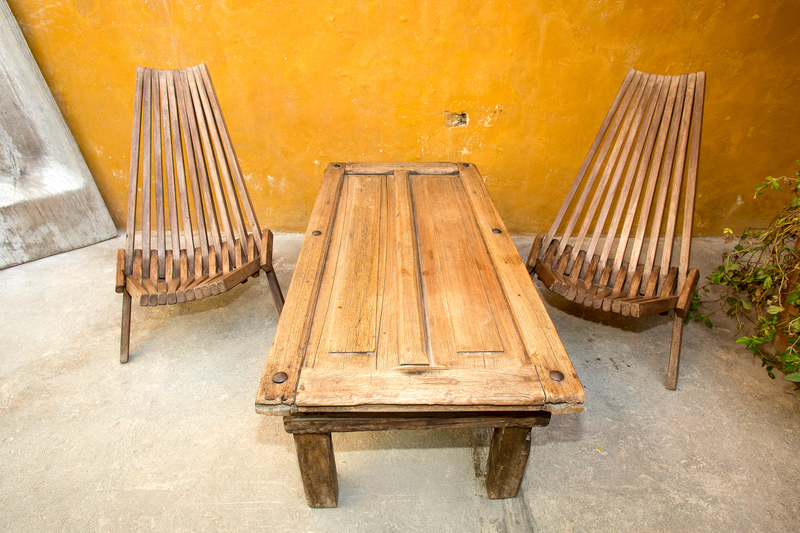
The cost of furniture disposal depends on practical factors rather than a one-size-fits-all rule. Item size, quantity, access, dismantling needs and the amount of labour involved all play a part. A small single-item collection is different from a fuller removal involving several bulky pieces spread across multiple rooms. Where access is awkward, the time required may also change the shape of the quotation.
If you are preparing to ask for a price, useful details include the type of furniture, approximate quantity, whether any pieces are upstairs and whether the collection is from a home, flat or commercial site. You do not need to write a perfect report; a sensible description is enough to start with. If photographs are available, they can help clarify the size and condition of the furniture, especially where items are unusually large or partly dismantled.
A good enquiry keeps things simple: what needs removing, where it is located and what access is available. That is often enough to set expectations clearly and avoid confusion later. If the job includes mixed pieces, mention them together so the collection can be considered as one load. When you are ready to move ahead, ask for a quotation and share the basic details in one message.
About London
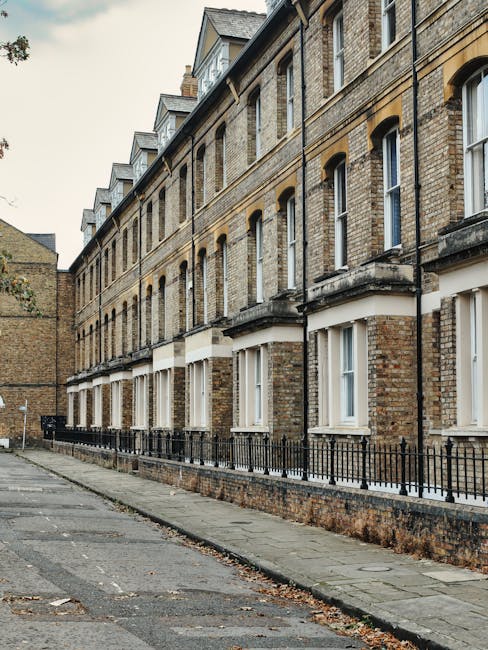
London is a city shaped by the River Thames, a dense network of neighbourhoods and a long history visible in its street pattern, institutions and architecture. From the medieval core around the City to later westward expansion, its growth has been influenced by trade, administration, transport and migration. Distinct areas such as Westminster, Southwark and the Docklands reflect different periods of development, while the wider city combines civic landmarks, residential districts and working commercial zones. The skyline mixes church towers, terraces, railway termini and modern office buildings, giving the capital a layered visual character that changes from one district to the next. Parks, commons and waterways also play a large role in the urban fabric, including the Thames Path, the Regent’s Canal corridor and open spaces such as Hyde Park, Hampstead Heath and Greenwich Park. Cultural life is similarly varied, with theatres, museums, galleries, music venues and markets spread across the boroughs. Many of the best-known landmarks sit within a relatively small central area, but London’s identity is equally shaped by its villages, high streets and riverside communities beyond the centre. Historic layers remain visible in places that were once separate settlements, while transport links have tied them together into one of the world’s most closely connected cities. Its scale, diversity and continuing change make London a place where old and new often sit side by side in the same street or square.
Furniture disposal with a clear finish
When furniture needs to leave a property, the right service should do more than shift items out of the door. It should remove the practical burden, keep the work organised and leave the space ready for whatever comes next. That matters whether the job is a single sofa, a bedroom clear-out or a larger collection involving multiple rooms. We aim to keep the process direct, with the focus on careful removal and sensible handling from start to finish.
Some customers need furniture disposal as part of a move, others because old items are being replaced, and others because a room must be cleared for letting, renovation or re-use. The circumstances vary, but the need for a clean and reliable collection remains the same. If you want the work assessed, you can request a quotation once you have the main items identified. A concise message is usually enough to begin.
For the simplest route, note what is being removed, where it is located and whether any pieces need dismantling before collection. If the items are in different rooms, group them where possible; if they are heavy or fragile, mention that too. Then you can send the details and move on while the removal is arranged. The final aim is straightforward: clear the furniture responsibly and leave the property easier to use.
Furniture disposal for mixed loads and end-of-tenancy clearances
Mixed loads are common in furniture disposal. A customer may need a wardrobe, a bed base, a desk and a few smaller pieces taken away together, or a landlord may have furniture mixed with general household waste after a tenancy ends. In those cases, the main task is to identify which items belong to the collection and how they are best moved. That can involve sorting, stacking and planning the order in which the items leave the property.
End-of-tenancy work benefits from a practical, item-by-item approach. The furniture may be intact, damaged or partly dismantled, and the access may be more limited than in a clear, empty room. Where possible, having the furniture grouped in advance keeps the job organised. It also helps to let us know if anything is especially large, as this may affect handling and the time needed on site. The more accurately the load is described, the easier it is to match the collection to the job.
- Single bulky items, such as sofas, wardrobes or beds
- Multiple pieces from one room or several rooms
- Furniture needing careful carrying or partial dismantling
- Mixed furniture and non-hazardous clearance loads
Recycling, reuse and responsible disposal choices
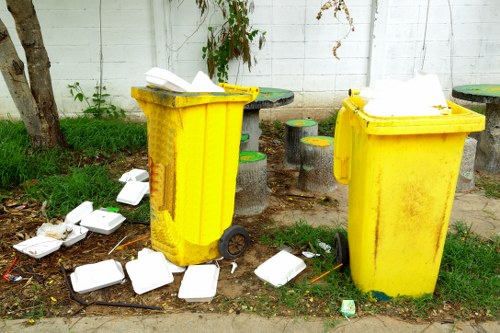
Responsible furniture disposal is not only about removal from the property; it is also about choosing the most suitable next step for the material. Some furniture can be separated for reuse or recycling, while other pieces may need to be treated as waste because of condition, contamination or construction. We aim to keep that distinction in mind when handling the load, rather than treating every item as if it were the same.
Materials can vary widely. A wooden table, a metal filing cabinet and a fabric sofa do not present the same disposal considerations, and broken items may need different handling again. This is one reason a clear description of the furniture is helpful at the quotation stage. If an item has mixed materials, visible damage or parts missing, mention that too. It helps to shape the collection plan and makes the service more accurate from the outset.
If you are comparing options, the key question is often whether the furniture needs to be removed in one visit with minimal disruption. We keep the process practical, with careful collection and sensible planning around the property and the load. When you are ready, ask for a quotation and include the main items, access details and any special handling notes.