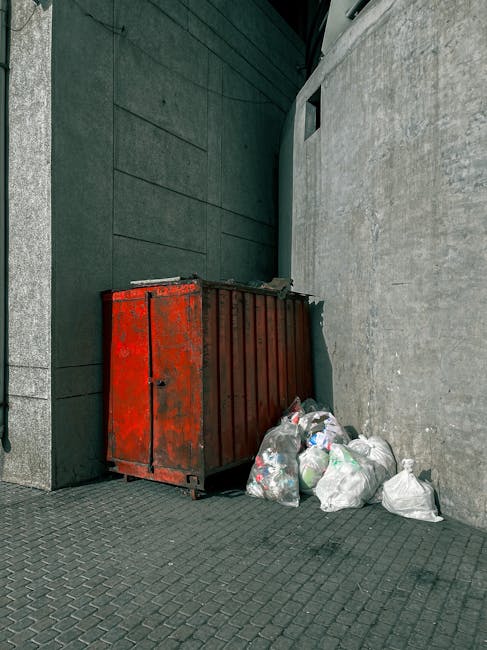
5 rubbish disposal myths UK residents still believe
If you have ever stood in front of a battered sofa, a half-dismantled wardrobe, or a growing pile of bags in the hallway and thought, "Surely there's an easy way to get rid of this," you are not alone. The problem is that rubbish disposal is surrounded by habits, half-truths, and old advice that still gets repeated from one household to the next. In this guide to 5 rubbish disposal myths UK residents still believe, we clear up the confusion so you can make better, safer, and often cheaper decisions about waste.
Let's face it: most people do not want to become waste experts. They just want the clutter gone without upsetting the neighbours, missing a council rule, or paying more than they need to. That is exactly why these myths matter. A small mistake can mean extra costs, missed collections, fly-tipping risks, or putting the wrong item in the wrong place. Not ideal on a damp Tuesday evening when the bins are already full.
This article breaks down the most common myths in plain English, explains what actually happens in the real world, and gives you a practical way to choose between council collection, private rubbish removal, recycling routes, and specialist disposal for bulky items.
Table of Contents
- Why these rubbish disposal myths matter
- How rubbish disposal actually works in the UK
- Key benefits of getting rubbish disposal right
- Who this is for and when it makes sense
- Step-by-step guidance for smarter disposal
- Expert tips for better results
- Common mistakes to avoid
- Tools, resources and recommendations
- Law, compliance, standards and best practice
- Options and comparison table
- Case study / real-world example
- Practical checklist
- Conclusion
- Frequently asked questions
Why these rubbish disposal myths matter
Waste disposal sounds simple until it is not. A myth can seem harmless, but in practice it can lead to the wrong decision at the wrong time. Maybe you leave an old mattress by the bins because you think the council will take it automatically. Maybe you dump builders' waste in a general skip bag because "rubbish is rubbish." Or maybe you assume anything with a plug can go in the same place as cardboard. That kind of thinking causes avoidable problems.
In the UK, rubbish disposal affects more than just your own home. It shapes how quickly a street feels tidy, whether recycling streams stay clean, and how often waste ends up in the wrong place. If a disposable item is contaminated or poorly sorted, it can reduce the chance that materials are recovered properly. And if bulky items are abandoned, they can become somebody else's problem pretty quickly. Nobody wants that smell outside the block of flats by Friday afternoon.
Myths also cost money. Some households book the wrong service, miss a free or lower-cost option, or pay for an urgent collection they might not have needed. Others hold onto waste longer than necessary because they assume disposal is more complicated than it really is. Truth be told, the biggest cost is often not the collection fee. It is the time, stress, and inconvenience caused by getting the job wrong first time.
There is also a safety angle. Incorrectly handling sharp items, heavy furniture, fridges, broken glass, and electrical waste can cause injury. If you have ever tried dragging a damp wardrobe down three flights of stairs, you already know where this is going. Not pleasant. Not worth it.
How rubbish disposal actually works in the UK
Most rubbish disposal in the UK follows a few broad routes: council collection, household recycling, bulky item collection, private rubbish removal, reuse, donation, or specialist disposal. The right route depends on what the item is, how much of it there is, and whether it can be reused or recycled safely.
The simplest way to think about it is this:
- General household waste usually goes into regular bins or council collections.
- Recyclable materials should be separated where local systems allow it.
- Bulky items such as furniture, mattresses, or white goods often need a separate service.
- Trade or renovation waste may need a specialist clearance route.
- Reusable items should be considered for reuse before disposal, if they are still in decent condition.
That is the theory. In practice, local council arrangements vary, and so do property layouts. A terrace house with a front garden, a basement flat with no lift, and a shared entrance block all create different collection challenges. This is where many people get caught out: they assume one rule applies everywhere, when it often does not.
If you are dealing with bulky furniture or a bigger clear-out, services such as furniture disposal, bulky waste collection, or rubbish removal can be a more direct route than trying to piece everything together yourself. The key is matching the service to the item, not the item to the nearest bin.
Myth 1: "If it fits in a bin bag, it can go out with normal rubbish"
This is probably the most common myth of the lot. People see a bag, assume it is household waste, and move on. But bag size is not the real issue. Content is. A bag can contain things that need special treatment, such as electrical components, paint tins, sharp metal, batteries, or contaminated materials. Those items should not be treated as general waste.
A simple example: a broken desk lamp may look like "just rubbish," but the wiring, plug, and bulb make it different from everyday household waste. The same goes for small appliances. Once electricity, refrigerant, or hazardous materials are involved, caution matters.
Myth 2: "The council will take anything bulky if I leave it neatly outside"
Sometimes councils do offer large-item or bulky collections, but not always in the way people expect. Some need advance booking. Some limit what they accept. Some charge a fee. And some items are excluded altogether. Leaving an item outside without checking can lead to delays or enforcement issues, especially in communal areas.
If you want to compare local collection pathways, pages like council large item collection, council rubbish collection, and council waste collection can help you understand the general routes available. The practical point is simple: check the rules before you drag anything to the kerb.
Myth 3: "Recycling is too complicated, so it is better to put everything together"
To be fair, recycling can feel fiddly. Different containers, different instructions, and that nagging uncertainty about whether a yoghurt pot lid counts or not. But mixing everything together is rarely the answer. It can contaminate recyclable material and reduce what can be recovered.
The better approach is to separate obvious recyclables where you can, keep food residue out of containers, and follow the guidance your local system gives. If a material looks questionable, do not guess wildly. When in doubt, keep it out, or check locally. That tiny bit of effort usually pays off.
Myth 4: "Private rubbish removal is only for huge jobs"
Not really. Private waste collection is not just for builders' vans full of rubble or a house that looks like a storage unit exploded. It can be useful for one awkward sofa, a mattress, a garage clear-out, or an urgent time-sensitive job when you cannot wait for the next council slot.
For example, if you have a mattress that has been sat in a spare room since last winter, a direct service such as mattress collection or mattress disposal can be much more efficient than leaving it to become part of the decor. The same logic applies to sofas, fridges, and other awkward items.
Myth 5: "Anything reused or donated can be left outside and someone will take it"
That idea causes more mess than people realise. If an item is left unsupervised, it may be damaged by rain, made unusable, or simply ignored. Worse, if it blocks a pavement or entrance, it can create a safety and access issue. Reuse works best when the item is clean, complete, and going to a genuine recipient or collection arrangement.
A better route is to choose whether the item is truly fit for reuse, then arrange a proper collection or handover. If it is still in good shape, services linked to furniture collection or furniture clearance may be part of a broader clearance plan. If it is damaged or unhygienic, disposal is the more honest choice. No shame in that.
Key Benefits and Practical Advantages
Getting rubbish disposal right is not just about being tidy. It has very practical upside.
- Fewer delays: You avoid items being left behind or rejected.
- Lower stress: The process becomes simpler once you know the right route.
- Better safety: Heavy, sharp, or awkward items are handled more sensibly.
- Cleaner recycling: More material can be recovered when streams are kept separate.
- Better value: You are less likely to pay for the wrong type of service.
- Less clutter: The home or property feels usable again, which, honestly, matters more than people admit.
There is also a mental benefit. Clearing waste can take a surprising amount of pressure off a household, especially after a move, renovation, bereavement, or long period of accumulation. A room full of old items can feel heavy in a way that is hard to explain. Once it is gone, you notice the air in the space a bit more. The room breathes again.
Expert summary: The smartest rubbish disposal choice is usually the one that matches the item, the urgency, and the property layout. Do not start with the bin. Start with the waste type.
Who This Is For and When It Makes Sense
This guide is useful for just about anyone in the UK who has waste to move, but it is especially relevant if you are:
- clearing out a flat, house, loft, garage, or shed
- replacing furniture, mattresses, or appliances
- managing a move, tenancy end, or estate clearance
- dealing with builders' waste after a project
- trying to reduce overflow before council collection day
- comparing council and private collection options
It also makes sense if you live in a place where access is awkward. Flats, terraces, narrow roads, permit zones, communal bin stores, and upper-floor properties all make waste handling a little more complicated. In those situations, flexibility matters. A collection crew might be able to take items directly from inside, the curb, or a loading point depending on the service and property layout.
If you are dealing with a larger clean-out rather than a single item, routes such as home clearance, house clearance, flat clearance, or loft clearance are often the practical middle ground. They are particularly helpful when you have mixed waste and do not want ten separate mini-projects in one week.
Step-by-Step Guidance
Here is a simple, no-nonsense way to deal with rubbish without getting trapped by the usual myths.
1. Identify the waste type
Start by sorting items into broad groups: general waste, recyclables, bulky furniture, electricals, white goods, garden waste, builders' waste, or mixed clearance waste. This first pass matters more than people think.
2. Separate reusable items from true waste
Ask yourself one honest question: would anyone reasonably use this again if it were cleaned up? If yes, consider reuse or collection. If not, disposal is probably the right route. A wobbly chair with a missing leg is not "vintage." It is usually just a chair with ambition.
3. Check the local collection route
Look at whether the item fits your usual council collection, requires a bulky-item booking, or needs a specialist pickup. If you are not sure, it is better to check than assume. That 10-minute pause can save a week of frustration.
4. Think about access
Will the item fit through the hallway? Is there parking? Are there stairs, lifts, or narrow doors? Collection logistics are a real factor, especially in London streets where space can be tight and parking is not always generous.
5. Prepare the item correctly
Empty it, clean it if needed, dismantle it safely if it helps, and keep sharp or loose parts contained. For fridges and electricals, do not improvise beyond common sense. Specialist items need specialist handling.
6. Book the right service
Choose the most suitable route based on the item's size, condition, and urgency. If you need something straightforward and direct, options like large item collection, furniture removal, or waste removal may be the cleanest fit.
7. Keep the paperwork or confirmation
For anything beyond a small domestic bag job, keep booking details, confirmations, or receipts. That small bit of admin can be useful if there is a query later. Not glamorous, but practical.
Expert Tips for Better Results
Here are the little things that save time and hassle.
- Group similar items together. It helps you see what can be reused, recycled, or disposed of in one go.
- Measure big items first. A sofa may look manageable until it reaches the stairwell.
- Do not mix waste streams if you can avoid it. Clean separation usually means cleaner disposal.
- Keep electricals and white goods separate. They often need different handling from general furniture.
- Plan around access times. If your building or road has restrictions, build that in from the start.
- Use a local service where practical. It can make scheduling and communication easier.
A small but useful habit: take a quick photo of the items before booking. It helps you describe the job accurately, especially for mixed loads. Nothing fancy. Just a couple of sensible pictures in daylight by the back door or the hallway. That way, nobody turns up expecting a little chair and finds half a shed instead.
And if you are uncertain whether something counts as a regular item or a specialist one, err on the side of caution. That is usually the right instinct.
Common Mistakes to Avoid
Most rubbish disposal headaches come from a handful of repeat mistakes. Here are the big ones.
- Assuming all councils handle bulky items the same way. They do not.
- Leaving items outside without booking. This can create problems and may not result in collection.
- Forcing recycling items into general waste. It can contaminate the wrong stream.
- Mixing hazardous or electrical waste with ordinary rubbish. This is the kind of mistake that can be expensive or unsafe.
- Underestimating access issues. Stairs, parking, and entry points matter.
- Waiting until the last minute. Urgency often costs more.
One common scenario: a family clears a spare room on Sunday, stacks everything in the hall, and realises on Monday morning that the sofa cannot fit through the front door without being dismantled. Suddenly the whole plan changes. A little prep saves all that. Honestly, it does.
Tools, Resources and Recommendations
You do not need fancy equipment to manage waste properly, but a few basic tools help.
- Strong gloves for handling sharp or dirty items
- Reusable rubble sacks or heavy-duty bags for split loads
- Basic measuring tape for bulky furniture and appliance access
- Screwdriver set or Allen keys for safe dismantling
- Labels or sticky notes to mark "keep," "recycle," "dispose," and "donate" piles
- Phone camera for recording items before collection
On the service side, useful pages to look at include waste disposal, waste clearance, bulk waste collection, and recycling and sustainability. These can help you match the job to the right type of collection and think more carefully about what should be diverted from disposal in the first place.
If your job involves furniture specifically, the more tailored routes such as sofa removal, sofa collection, bed disposal, or white goods recycle may be a better fit than a generic collection. Matching the item to the service usually makes the whole process smoother.
Law, Compliance, Standards and Best Practice
Waste disposal in the UK is not something to wing. You do not need to know every technical detail, but you should follow the basic legal and practical expectations that apply to household and business waste.
For domestic waste, the simplest rule is: use the correct collection route and do not leave items where they create a hazard, obstruction, or nuisance. For business waste, the responsibilities are tighter and usually involve clearer duty-of-care expectations, record-keeping, and using authorised carriers or disposal routes. If you are handling business waste, it is wise to be more careful, not less.
There are also common-sense standards around safety and environmental care. For example:
- do not dump waste in unauthorised places
- do not hand off waste to anyone who cannot properly deal with it
- separate electrical items where appropriate
- protect people from sharp, heavy, or unstable loads
- follow local collection instructions rather than guesswork
For landlord, tenant, and commercial situations, checking your responsibilities before a clearance job is simply good practice. If a property has a shared bin store, common hallway, or access rules, make sure the clearance plan respects them. Neighbours notice these things. More than you might think.
Also, a careful note on compliance: councils, property managers, and private collectors may have different acceptance rules, and these can change. So the best practice is not to rely on memory from six months ago. Check the current arrangement before you book or put anything out.
Options and Comparison Table
When people say "I just need the rubbish gone," they often have several possible routes. Here is a straightforward comparison.
| Option | Best for | Pros | Watch-outs |
|---|---|---|---|
| Council collection | Regular household waste and some bulky items | Familiar, often convenient, may be lower cost | Booking rules, item limits, waiting times, access restrictions |
| Private rubbish removal | Urgent, bulky, or mixed waste loads | Flexible, often faster, suitable for awkward access | Cost can vary by load size and item type |
| Reuse or donation | Items in decent condition | Extends item life, reduces waste | Not suitable for damaged, dirty, or unsafe items |
| Specialist disposal | Fridges, mattresses, white goods, electrical items | Safer handling, appropriate processing | May need specific booking or preparation |
| Clearance service | Whole rooms, lofts, garages, homes, offices | Efficient for mixed loads and bigger jobs | Needs clearer scope and access planning |
In practice, the best option is usually the simplest one that still handles the item properly. If you are dealing with one awkward object, a targeted collection may be enough. If you are clearing a whole property, a broader clearance route is usually less painful.
Case Study or Real-World Example
Here is a realistic example based on the kind of jobs people often face.
A couple in a London flat had just finished replacing a sofa, a mattress, and an old under-counter fridge. At first, they assumed the council would take everything on the next collection day. Then they discovered the mattress needed separate handling, the fridge was not suitable for the regular bin area, and the sofa would not fit neatly through the communal entrance without help. That is when the plan changed.
Instead of spreading the items over several weeks and hoping for the best, they grouped everything, checked what could be removed together, and booked a service that matched the load. The sofa and mattress were handled through specialist routes, and the fridge was separated for appropriate disposal. The result? Less clutter in the hallway, no awkward waiting around, and no midnight shuffle of furniture into the corridor. A boring win, but a win all the same.
The interesting part is that the solution was not complicated. It just required not believing the old myths. Once they stopped assuming "rubbish is rubbish," everything became easier.
Practical Checklist
Use this before you book or move anything.
- Have I identified what each item actually is?
- Could any item be reused, donated, or sold in good faith?
- Do any items need specialist handling, such as fridges or electricals?
- Have I checked whether council collection is available for this item?
- Do I know the access situation at the property?
- Have I measured bulky furniture against doors, stairs, or lifts?
- Have I separated recyclables, general waste, and specialist items?
- Do I have photos or notes to describe the job clearly?
- Have I confirmed the booking, costs, and collection expectations?
- Am I avoiding the temptation to "just leave it outside and hope"?
If you can tick most of those off, you are already ahead of the game.
Conclusion
The five myths behind rubbish disposal sound harmless, but they shape bad habits. The good news is that once you understand the difference between general waste, bulky items, reusable goods, recyclables, and specialist disposal, the whole process gets much easier. You do not need to become an expert in waste management. You just need a clearer way to decide what should happen next.
For many UK households, the smartest approach is simple: identify the item, check the route, plan the access, and choose the service that fits the job. That alone prevents a surprising amount of frustration. And if you are dealing with a bigger clear-out, a sofa, a mattress, a fridge, or a mixed property clearance, taking the time to match the service properly usually pays off straight away.
If nothing else, remember this: the right disposal choice is rarely the loudest one or the quickest guess. It is the one that keeps your home, street, and day running smoothly. That is worth doing properly.
Get a free quote today and see how much you can save.
Frequently Asked Questions
What are the most common rubbish disposal myths UK residents believe?
The biggest myths are that anything in a bag can go as general waste, that councils will always take bulky items without booking, and that recycling is too confusing to bother with. Those assumptions lead to rejected collections and unnecessary stress.
Can I leave bulky rubbish outside for the council to collect?
Only if your local council specifically allows it and you have followed the correct booking or placement instructions. Leaving items out without checking can cause delays or create issues in shared or public areas.
Is it cheaper to use council collection or private rubbish removal?
It depends on the item, urgency, and how much you need removed. Council collection can be more economical for some household items, while private removal may be better value when you need flexibility, speed, or mixed-load clearance.
What counts as bulky waste in the UK?
Bulky waste usually means larger household items that do not fit in standard bins, such as sofas, beds, mattresses, wardrobes, and some appliances. Exact acceptance rules vary by council and service provider.
Do I need a separate service for mattresses and sofas?
Often, yes. Mattresses and sofas are common bulky items that may need specialist collection or dedicated handling, especially if they are large, awkward, or not suitable for general rubbish streams.
Can broken furniture be donated?
Usually not, unless it is genuinely repairable and someone is willing to accept it. Donation works best when the item is clean, complete, and safe to use. If it is damaged or unhygienic, disposal is usually the right route.
What should I do with old electrical items?
Electrical items should not be mixed blindly with general waste. They often need separate handling because of plugs, wiring, batteries, or other components. Check whether they can be reused, recycled, or collected as specialist waste.
Are private rubbish removal services suitable for small jobs?
Yes. Private collection is not only for huge clearances. It can be useful for a single large item, a quick turnaround, or an awkward item that is difficult to move through a flat or shared entrance.
How do I avoid booking the wrong disposal service?
Identify the item first, check whether it is reusable, recyclable, bulky, or specialist, then match it to the right service. Photos, measurements, and a clear list of items help a lot. Really, they do.
What happens if I put the wrong thing in the wrong bin?
It can contaminate recyclable material, lead to missed collection, or create safety issues. In some cases, you may also need to arrange a separate disposal route for the item.
Is it better to clear rubbish all at once or in stages?
That depends on the job. Small household waste can be handled in stages, but large clear-outs, moving days, and property emptying are often easier when done in one planned session with the right support.
How can I make rubbish disposal less stressful?
Sort first, measure bulky items, check the collection route, and avoid leaving decisions until the last minute. A bit of planning saves a lot of scrambling later, especially in busy households or tight-access properties.